
Aerogel vs Microporous Insulation – Complete Industrial Comparison (2026)

Aerogel vs Microporous insulation: Selecting the right high-performance insulation material is critical for industrial systems, EV batteries, and energy applications where thermal efficiency, space constraints, and safety are non-negotiable.
Two of the most advanced solutions available today are aerogel insulation and microporous insulation.
Both materials offer exceptional thermal performance — but they serve different engineering priorities.
This guide provides a clear, technical comparison to help engineers, OEMs, and EPC contractors select the right solution.
What is Aerogel Insulation?
Aerogel insulation is an ultra-lightweight material with extremely low thermal conductivity, often referred to as the world’s best thermal insulator.
It is made from silica aerogel combined with reinforcing fibers to create flexible blanket forms.

Key Characteristics:
• Extremely low thermal conductivity (~0.016 W/m·K)
• Flexible blanket form
• Hydrophobic and CUI-resistant
• Suitable for cryogenic to high-temperature applications
For enhanced thermal performance with added surface protection, aluminium foil aerogel blankets are widely used in demanding industrial environments.
What is Microporous Insulation?
Microporous insulation is a high-performance thermal material engineered from silica-based compounds designed to minimize heat transfer at high temperatures.
It is widely used in applications where thermal resistance, fire protection, and minimal heat propagation are critical.

Key Characteristics:
• Very low thermal conductivity at high temperatures
• Operates up to 1000–1100°C
• Available in rigid, semi-flexible, and custom pad forms
• Excellent for thermal runaway protection
Microporous insulation boards offer superior thermal resistance for high-temperature environments where conventional materials fail.
Aerogel vs Microporous Insulation – Key Differences
• Thermal Conductivity:Aerogel → Better at low to medium temperaturesMicroporous → Stable at high temperatures
• Maximum Temperature:Aerogel → ~650–950°C (standard grades)Microporous → 1000–1100°C
• Thickness:Aerogel → Very thin (3–10mm typical)Microporous → 0.6mm to 50mm+
• Form Factor:Aerogel → Flexible blanketMicroporous → Board, rigid panel, quilt, pad
• Fire Protection:Aerogel → ExcellentMicroporous → Superior for fire barriers
• Best Use:Aerogel → Space-saving insulationMicroporous → Thermal containment & safety

Which Material Performs Better Thermally?
Aerogel performs better at lower temperatures due to its extremely low thermal conductivity.
Microporous insulation, however, maintains stable thermal performance at higher temperatures and under fire exposure conditions.
Engineering takeaway:
• Aerogel = Efficiency
• Microporous = Protection + Stability
For critical battery safety applications, EV battery thermal runaway protection pads provide effective thermal barriers between cells and modules.
Single Side Adhesive Pad: Single-side adhesive thermal pads simplify installation and improve assembly efficiency in battery pack manufacturing.
Double Side Adhesive Pad: Double-side adhesive thermal pads ensure secure placement and consistent performance in high-volume EV battery production.
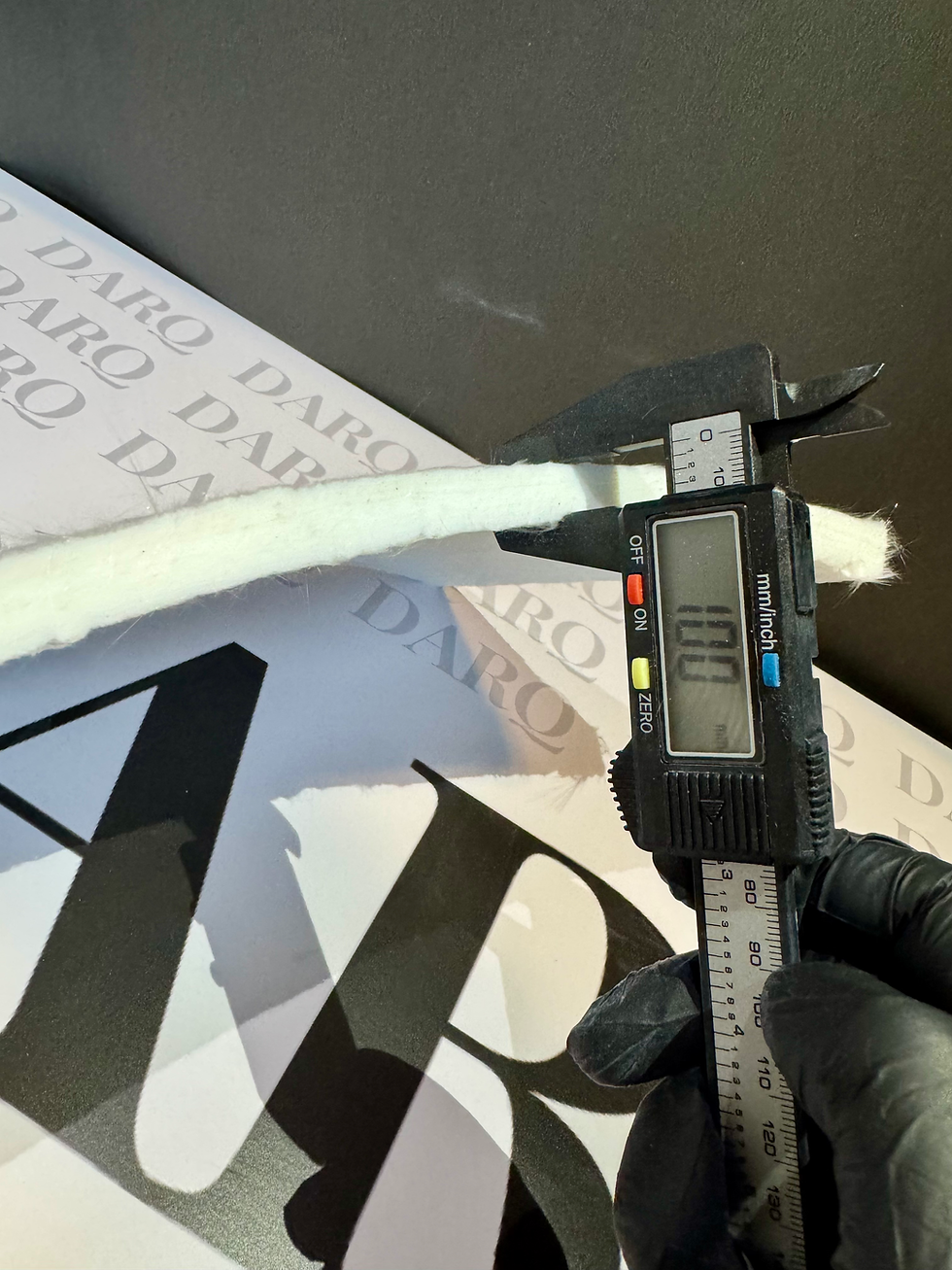
Thickness & Space
Optimization Comparison
Aerogel insulation is typically preferred when space is extremely limited.
It can achieve similar insulation performance at significantly lower thickness compared to traditional materials.
Microporous insulation, however, offers better performance in ultra-thin engineered formats for thermal barriers in EV batteries.
Especially critical in:
• Cell-to-cell insulation
• Battery pack safety• Module-level protection
For applications requiring flexible and space-efficient insulation, explore our aerogel blanket roll solutions designed for industrial and energy applications.

Temperature & Fire Resistance Comparison
Microporous insulation is superior for high-temperature and fire protection applications.
• Stable up to 1000–1100°C
• Designed for thermal containment
Aerogel:
• Strong performance up to ~650–950°C
• Specialized grades can go higher
Key difference:
• Aerogel = Insulation efficiency
• Microporous = Fire barrier & containment
Application-Based Comparison
EV Batteries & BESS
• Microporous → Thermal runaway protection (best choice)
• Aerogel → Supplementary insulation
Oil & Gas / Industrial
• Aerogel → Pipelines, CUI prevention
• Microporous → Furnaces, high-temperature zones
Data Centers
• Microporous → Thermal protection
• Aerogel → Energy efficiency
Cost vs Performance
Aerogel is generally more cost-effective for standard insulation applications.
Microporous insulation is higher in cost but delivers superior performance in critical safety applications.
Decision logic:
• Cost + space → Aerogel
• Safety + high temperature → Microporous
When Should You Use Aerogel vs Microporous?
Use Aerogel When:
• Space is limited
• Flexible installation required
• Temperature is moderate
• Focus on energy efficiency
Use Microporous When:
• Fire protection is critical
• Thermal runaway risk exists
• High temperature exposure
• Safety is priority
Engineering Perspective: Not a Competition — A System
Aerogel and microporous insulation are not competing materials — they are complementary technologies.
In advanced systems:
• Aerogel → Insulation layer
• Microporous → Safety barrier
How DARQ Approaches Material Selection
At DARQ, insulation is not treated as a generic product.
We provide:
• Application-specific recommendations
• Engineering-based material selection
• Solutions from -200°C to 1600°C
Used by leading EV manufacturers and industrial projects.
Conclusion
Choosing between aerogel and microporous insulation depends on:
• Temperature range
• Space constraints
• Safety requirements
There is no single “best” material — only the right material for the application.
Request Technical Consultation
Looking for the right insulation solution for your project?
DARQ provides:
• Engineering support
• Custom insulation solutions
• EV battery thermal protection systems


Comments